



Decoding Your Next Home: An Expert’s Guide to Renting a House vs Apartment in 2025
As a seasoned veteran navigating the dynamic currents of the U.S. rental market for over a decade, I’ve witnessed firsthand the evolving landscape that shapes one of life’s most fundamental decisions: where to call home. In 2025, the choice between renting a house vs apartment isn’t merely a matter of square footage or monthly cost; it’s a strategic alignment of lifestyle, financial priorities, and future aspirations. The fundamental question for countless renters remains: does the convenience and community of a multi-family apartment suit my needs, or do the privacy and space of a single-family home rental offer a superior living experience?
This decision, far from trivial, impacts daily routines, personal finances, and even long-term well-being. With urban centers continually densifying and suburban areas offering diverse housing options, understanding the nuanced advantages and disadvantages of each housing type is critical. My goal here is to cut through the noise, providing an expert-level analysis updated for current market realities and emerging trends, equipping you with the insights needed to make an informed, confident choice. We’ll delve into everything from financial implications and maintenance responsibilities to community dynamics and contractual flexibility, giving you a holistic perspective on renting a house vs apartment.
Deconstructing Apartment Living: The Multifamily Advantage
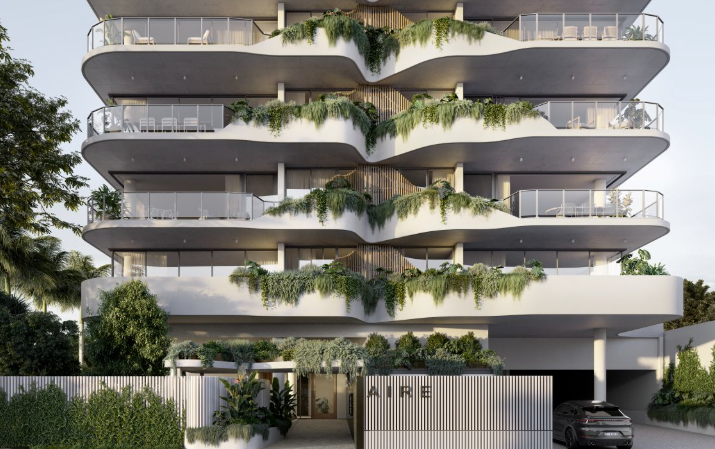
Apartments, particularly within well-managed multi-family buildings, continue to offer a compelling proposition for a significant segment of the renter population. Their inherent structure often translates into a distinct set of benefits that cater to specific lifestyles.
Financial Prudence & Accessibility
One of the most immediate and significant appeals of an apartment is often its affordability. While market fluctuations certainly occur, generally speaking, the entry point for an apartment rental is lower than that of a single-family home. Current market data, factoring in diverse property types, frequently illustrates that the average cost to rent an apartment typically presents a more accessible price point compared to standalone homes. This extends beyond just the base rent; utility costs can sometimes be bundled or are more manageable due to smaller living spaces and shared infrastructure.
Furthermore, the variety of apartment sizes—from compact studios ideal for individuals or minimalist urban dwellers, to spacious three-bedroom units designed for small families—provides a spectrum of pricing options. This flexibility allows renters to meticulously align their budget with their space requirements. For those seeking “affordable luxury apartment rentals” or “cost-effective urban living,” apartments in well-located complexes often deliver on value, offering premium amenities without the substantial financial outlay of homeownership or a high-end single-family rental. Security deposits for apartments also tend to be lower, reducing the upfront financial burden significantly.
Unparalleled Convenience & Support
The apartment experience is largely defined by its inherent convenience, particularly concerning maintenance and upkeep. A leaky faucet, a malfunctioning HVAC system, or an appliance breakdown rarely become the tenant’s immediate responsibility. Instead, a simple maintenance request or a call to the property manager mobilizes a dedicated team, often with a rapid response time. In larger multi-family developments, on-site maintenance staff can address issues within hours, minimizing disruption to your daily life. This “hands-off” approach to property maintenance is a major draw, freeing up your time and eliminating the financial stress of unexpected repair bills. This level of “professional property management services” ensures a consistent, high-quality living environment.
Dynamic Community & Urban Accessibility
Apartment complexes, especially those in major metropolitan areas or vibrant suburban hubs, are strategically located for accessibility. Imagine living steps away from diverse dining options, boutique shops, essential public transit lines, and verdant parks. This proximity cultivates a “walkable urban living” experience, often reducing reliance on personal vehicles and fostering a more active lifestyle. Many modern apartment communities go a step further, curating amenities designed to foster social connections. Think state-of-the-art fitness centers, co-working spaces, resident lounges, game rooms, or even rooftop terraces. These shared spaces encourage interaction and can be a fantastic way to meet neighbors and build a local community, whether you’re new to a city or simply seeking more social engagement. Some forward-thinking complexes even feature private dog parks or pet spas, making them highly attractive “pet-friendly luxury apartments.”
Enhanced Security & Peace of Mind
Security is a paramount concern for any renter, and modern apartment buildings frequently offer a robust suite of protective measures that can be challenging to replicate in a standalone home. Controlled access systems requiring key fobs, security badges, or sophisticated biometric entry are standard. Many complexes employ 24/7 security personnel, comprehensive CCTV surveillance, and secure package delivery rooms to prevent theft. Fenced-in parking areas and well-lit common spaces contribute significantly to a heightened sense of safety. This multi-layered approach to “rental property security” provides tenants with an invaluable peace of mind, knowing their home and belongings are well-protected.
Navigating the Nuances of Apartment Life: Potential Drawbacks
While the benefits of apartment living are substantial, it’s equally important to consider the compromises inherent in sharing a building with many others. These factors can significantly influence your overall satisfaction.
Space Constraints & Storage Solutions
The most frequently cited drawback of apartment living is the inherent limitation on space. While options exist, even larger apartments typically offer less overall square footage than a single-family home. This can be a significant consideration for growing families, individuals with extensive hobbies, or those who simply value expansive living areas. Furthermore, private outdoor space is often restricted to a small balcony, if available at all, limiting opportunities for gardening, large outdoor pet play, or entertaining. Unlike homes with basements, attics, or garages, “small apartment living” often necessitates creative “storage solutions for renters,” and in some cases, a significant paring down of belongings. This can be particularly challenging for pet owners whose large dogs require ample outdoor space.
The Audibility Factor: Noise & Privacy
Living in close proximity to neighbors—above, below, and on either side—inevitably leads to increased noise exposure. Whether it’s the enthusiastic footsteps of children upstairs, a neighbor’s late-night movie, or loud conversations bleeding through shared walls, ambient noise can be a persistent challenge. While modern construction incorporates soundproofing, it’s rarely foolproof. This constant awareness of others can sometimes impinge on privacy, making it difficult to fully relax or host without feeling the need to “keep quiet.” The desire for absolute tranquility can be a genuine reason for choosing to avoid apartment living.
Pet Policies & Associated Costs
For animal lovers, apartment pet policies can be a labyrinth of restrictions and additional fees. Many complexes impose strict rules regarding pet breed, size, and the number of animals allowed. Certain breeds, even well-behaved ones, may be entirely prohibited. Beyond these limitations, “pet-friendly rentals” often come with “pet rent”—an additional monthly fee—and a non-refundable pet deposit, adding significant costs over the course of a lease. While options exist for finding accommodating complexes, the search can be more arduous, and the financial implications are undeniable, potentially influencing the overall affordability of an apartment for pet owners.
Flexibility & Personalization Limitations
Apartment living often comes with a more rigid set of rules and fewer opportunities for personalization. Most lease agreements explicitly prohibit significant alterations such as painting walls, installing permanent fixtures, or making structural changes. Even hanging art can be subject to specific guidelines to avoid wall damage. Beyond decor, apartment communities frequently have a comprehensive list of regulations covering everything from quiet hours and amenity usage to guest policies and parking. While these rules aim to maintain harmony, they can feel restrictive to those accustomed to greater autonomy. Early lease termination, if circumstances change, can also be more challenging and costly in apartment contracts, underscoring the importance of understanding all “lease agreement clauses” upfront.
Embracing the Single-Family Experience: The House Rental Appeal
Conversely, the allure of a single-family home rental often lies in the promise of space, privacy, and a greater sense of personal autonomy. For many, this represents a significant upgrade in their living situation.
Expansive Living & Functional Spaces
The primary advantage of renting a house vs apartment for many is the sheer increase in usable space. While apartment sizes vary, single-family homes typically offer significantly more square footage, both indoors and out. This translates into more bedrooms, larger common areas, and often dedicated spaces like a home office or a playroom. Crucially, homes frequently come with ample storage options that apartments rarely provide—think basements, attics, garages, and even outdoor sheds. This extra room is invaluable for families, individuals with substantial belongings, or those needing distinct zones for various activities. It provides flexibility that “spacious rental options” often crave, alleviating the constant battle against clutter.
Unleashed Personalization & Autonomy
One of the most appealing aspects of a single-family home rental is the increased freedom for personalization. While a lease agreement will still define boundaries, landlords of individual homes are often more amenable to tenants making cosmetic changes, such as painting walls, updating light fixtures, or even minor landscaping enhancements, especially if these improvements add value. This greater “home decor flexibility” allows renters to truly imbue their living space with their personality, transforming a house into a home in a way that’s rarely possible in an apartment. This sense of ownership, even without outright ownership of the property, is a powerful draw for those seeking “customizable rental properties.”
Convenience of Parking & Privacy
The struggle for parking is a common urban woe that most house renters simply don’t face. Single-family homes almost universally come with dedicated parking solutions, whether it’s a private driveway, a garage, or ample street parking directly outside the property. This eliminates the competitive scramble for spots, the monthly fees for assigned parking, and the peace-of-mind issues associated with street parking. Furthermore, the very nature of a standalone structure offers a heightened level of privacy. There are no shared walls, no neighbors directly above or below, and typically greater distance from adjacent properties. This significantly reduces noise concerns and enhances the feeling of personal seclusion, a valuable commodity for many.
Private Outdoor Oasis: Yard Access
A defining feature of most rental homes is the presence of a private yard—be it a cozy backyard or a more expansive outdoor space. This amenity is transformative for families with children, pet owners, and anyone who cherishes outdoor living. Pets have a secure, private area to play and exercise without leaving the property, which is a major benefit for “pet-friendly luxury homes.” Families can enjoy barbecues, gardening, or simply relaxing in the fresh air without sharing the space with dozens of other residents. Many yards are fenced, providing an even greater sense of security and containment for children and pets. This “rental homes with yards” feature often tips the scales for those prioritizing outdoor leisure and space for their dependents.
Discerning the Downsides of Home Rental
While the spaciousness and autonomy of a single-family home rental are attractive, they come with their own set of considerations that require careful evaluation.
The Premium Price Tag & Market Dynamics
Without a doubt, the most significant drawback of a single-family home rental is the higher financial commitment. Current rental market trends in 2025 continue to show that houses generally command a significantly higher monthly rent than comparable apartments. This premium extends to upfront costs as well, with “security deposit” amounts for houses often being substantially larger. Several factors contribute to this disparity: houses typically offer more space, are in higher demand due to limited supply compared to apartments, and often represent “investment property rental” for landlords who need to recoup their mortgage and maintenance costs. The competitive nature of the “rental market” for houses can also drive up prices, especially in desirable suburban communities. Understanding your comprehensive “rental budget” is crucial here.
Lease Volatility & Owner Intent
Renting a house vs apartment from a large property management company often means greater stability than renting from an individual homeowner. With a house, there’s an inherent uncertainty tied to the owner’s future plans. They might decide to sell the property, move back into it themselves, or even have a family member occupy it. This can lead to lease non-renewal or early termination requests, creating potential instability in your living situation. While this isn’t an everyday occurrence, the possibility exists and can be a source of anxiety, especially for those seeking long-term stability. This “lease uncertainty” underscores the need for clear communication and a robust “lease agreement” with an individual landlord.
Increased Tenant Responsibilities & Upkeep
The autonomy that comes with a house rental often translates into increased tenant responsibilities. While major repairs remain the landlord’s duty, tenants are frequently responsible for “rental home upkeep” tasks that apartment dwellers never encounter. This includes regular yard maintenance (mowing, weeding, raking), snow removal, and even pest control. These tasks require a significant investment of time, effort, and potentially additional financial outlay for equipment or services. While some landlords may include these services, it’s a crucial point to clarify in the lease. Ignoring these responsibilities can lead to lease violations or deductions from your “security deposit,” making “tenant maintenance responsibilities” a key consideration.
Potential for Informal Management
While many rental homes are managed professionally, it’s not uncommon to rent directly from an individual homeowner. While this can sometimes offer more flexibility, it can also lead to a less formalized process compared to the established systems of a large “property management services” company. Communication might be less structured, repair requests could take longer, and the lease agreement might be less comprehensive. This scenario necessitates “real estate consulting for renters” to ensure all terms, conditions, and expectations regarding rent, deposits, repairs, and move-out procedures are meticulously documented in writing. Verbal agreements, however well-intentioned, can lead to significant disputes down the line, highlighting the importance of thorough due diligence and potentially seeking “expert lease negotiation” assistance.
Making the Informed Choice: A Strategic Framework for Renters
The perennial debate of renting a house vs apartment ultimately boils down to a deeply personal decision, one that necessitates a thorough self-assessment of your priorities and circumstances. There is no universally “better” option; there is only the right fit for you.
To navigate this choice effectively, consider the following strategic framework:
Lifestyle Audit: What does your ideal daily life look like? Do you thrive on urban vibrancy, social connections, and readily available amenities, or do you crave quiet seclusion, private outdoor space, and a greater sense of autonomy? Do you value convenience and a hands-off approach to property maintenance, or are you willing to invest time in yard work and minor home upkeep? Your answer will strongly lean you towards “urban living advantages” or the benefits of “suburban living.”
Financial Blueprint: Beyond the headline rent, meticulously calculate the total cost of each option. Factor in potential utility variations, pet fees, parking costs, and the expenses associated with maintaining a yard (e.g., lawn care services). Consider the upfront burden of higher security deposits often associated with houses. Utilize online “rental budget calculator” tools to ensure a realistic assessment of what you can comfortably afford, including your desired buffer for discretionary spending.
Family & Pet Needs: For families, the space of a house, particularly a yard, can be invaluable for children and pets. If you have large dogs or multiple pets, research “pet-friendly rentals” exhaustively, understanding that apartment restrictions are generally tighter. The need for multiple bedrooms or dedicated play areas often sways the decision towards a house.

Flexibility vs. Stability: Evaluate your long-term plans. If you foresee potential job relocation or a desire for short-term living, the potentially greater lease flexibility of some apartment complexes or “flexible lease options” might be appealing. However, if stability is paramount, ensure your chosen option provides a predictable living situation, carefully scrutinizing “lease agreement clauses” for renewal terms and owner intent.
Responsibility Tolerance: Be honest about your willingness and capacity to take on responsibilities beyond simply paying rent. Are you prepared for yard work, minor home repairs, and coordinating with individual landlords, or do you prefer the all-inclusive maintenance model of a professionally managed apartment building? This directly relates to the level of “landlord responsibilities” versus “tenant maintenance responsibilities.”
The Future of Renting: Trends to Watch in 2025 and Beyond
The rental market is ever-evolving. In 2025, we’re seeing continued emphasis on smart home integration (e.g., smart thermostats, keyless entry) across both property types. Sustainable features and energy-efficient appliances are becoming major selling points. The rise of purpose-built “single-family rental communities” offers some of the benefits of house living with the professional management of an apartment complex. “Flexible lease options” are gaining traction, catering to a more mobile workforce. Keeping an eye on these trends can further inform your decision and potentially uncover innovative housing solutions that blend the best of both worlds.
Your Next Chapter Awaits
The journey to finding your next home, whether you choose to embrace the vibrant community of an apartment or the expansive privacy of a house, is an opportunity to redefine your living experience. By carefully weighing the insights presented here—from financial implications and lifestyle alignment to maintenance demands and market dynamics—you are now better equipped to make a choice that resonates with your personal circumstances and aspirations for 2025 and beyond. This isn’t just about finding a roof over your head; it’s about curating the environment where your life unfolds.
Ready to take the next step? Explore current listings in your desired neighborhoods, connect with a reputable real estate professional to discuss your specific needs, or utilize comprehensive online resources to compare options. Your ideal home is out there, waiting for you to discover it.
